“Where Agriculture Meets Fashion”
Celebrating Nigeria's breeds and cultural heritage as a symbol of national renewal. Our Livestock. Our Culture. Our Heritage.
Festival Dates
30 Nov – 2 Dec 2026
Venue Ground
Abuja National Grounds
Aligning ancestral pastoral excellence with modern socioeconomic growth under the Renewed Hope Agenda.
Agriculture resilience and productivity renewal through upgraded genetics, sustainable pastures, and commercial value addition.
Uniting regional livestock traditions, pastoral communities, and commercial ranchers on one cohesive national ceremonial stage.
Celebrating regional fabrics, traditional textiles, beadwork, and ceremonial handler attire honoring Nigeria's living heritage.
Unlocking agro-education, youth apprenticeship, cultural tourism, and high-value enterprise partnerships across meat and leather value chains.
Browse the full spectrum of Nigeria's indigenous breeds and managed micro-livestock on display.
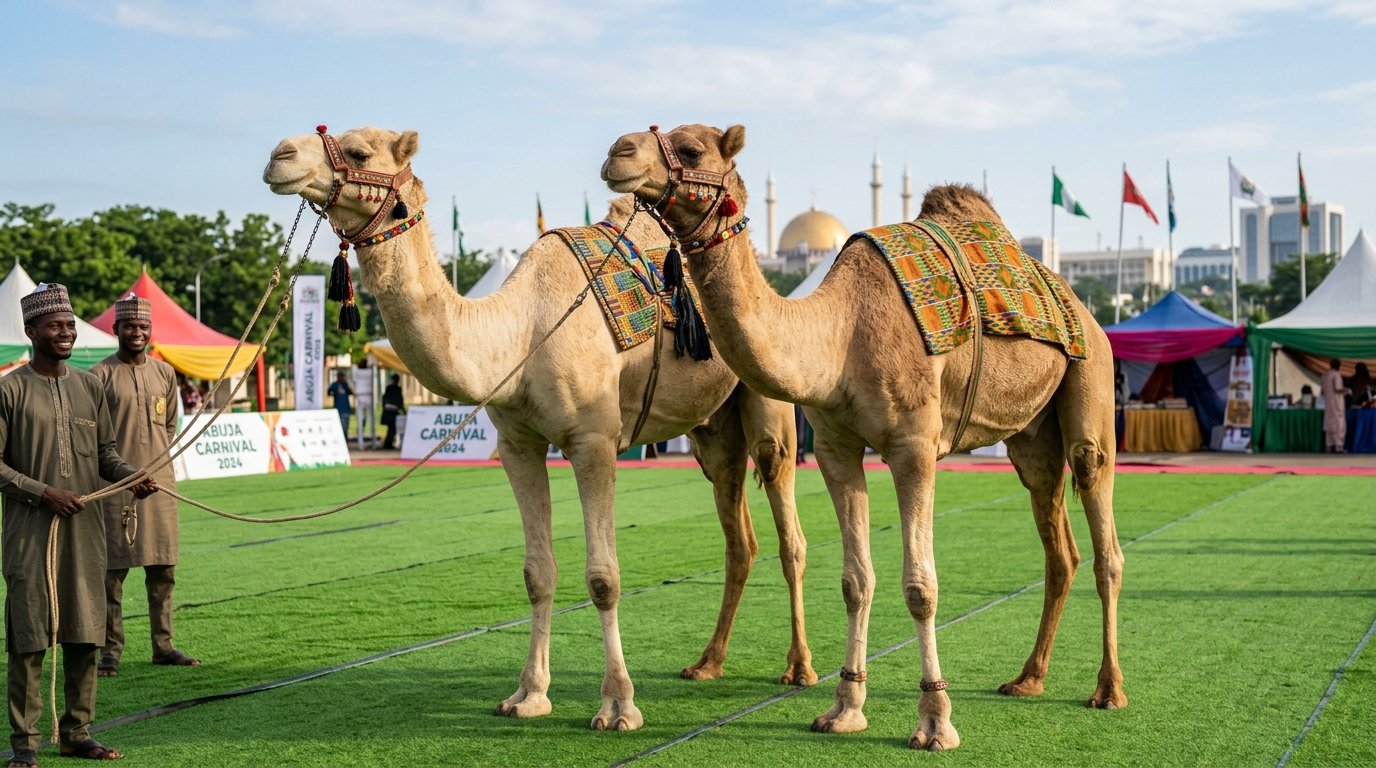
Dromedary & desert caravans, renowned for endurance, milk yield, and royal desert pageantry.
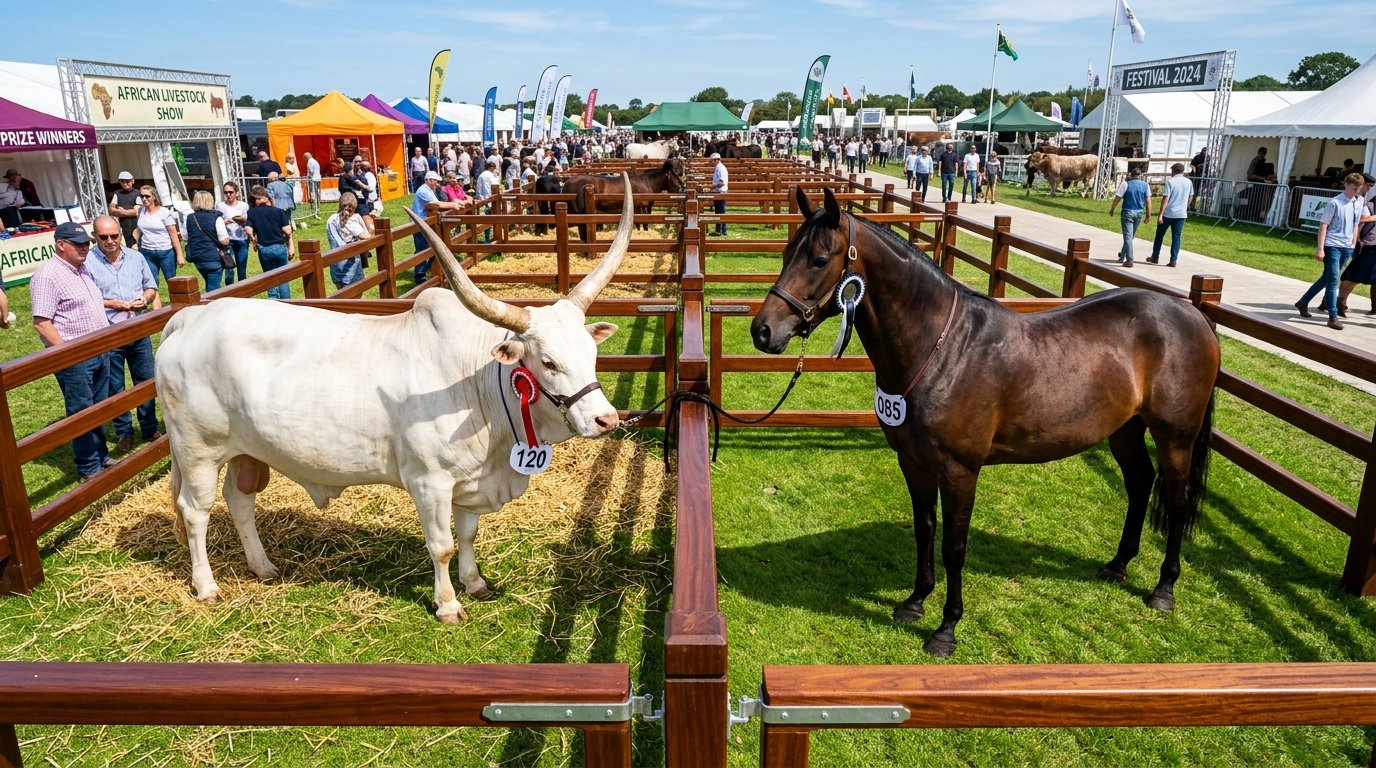
Bunaji (White Fulani), Sokoto Gudali, Muturu, Arewa stallions, and sturdy Bornu donkeys.
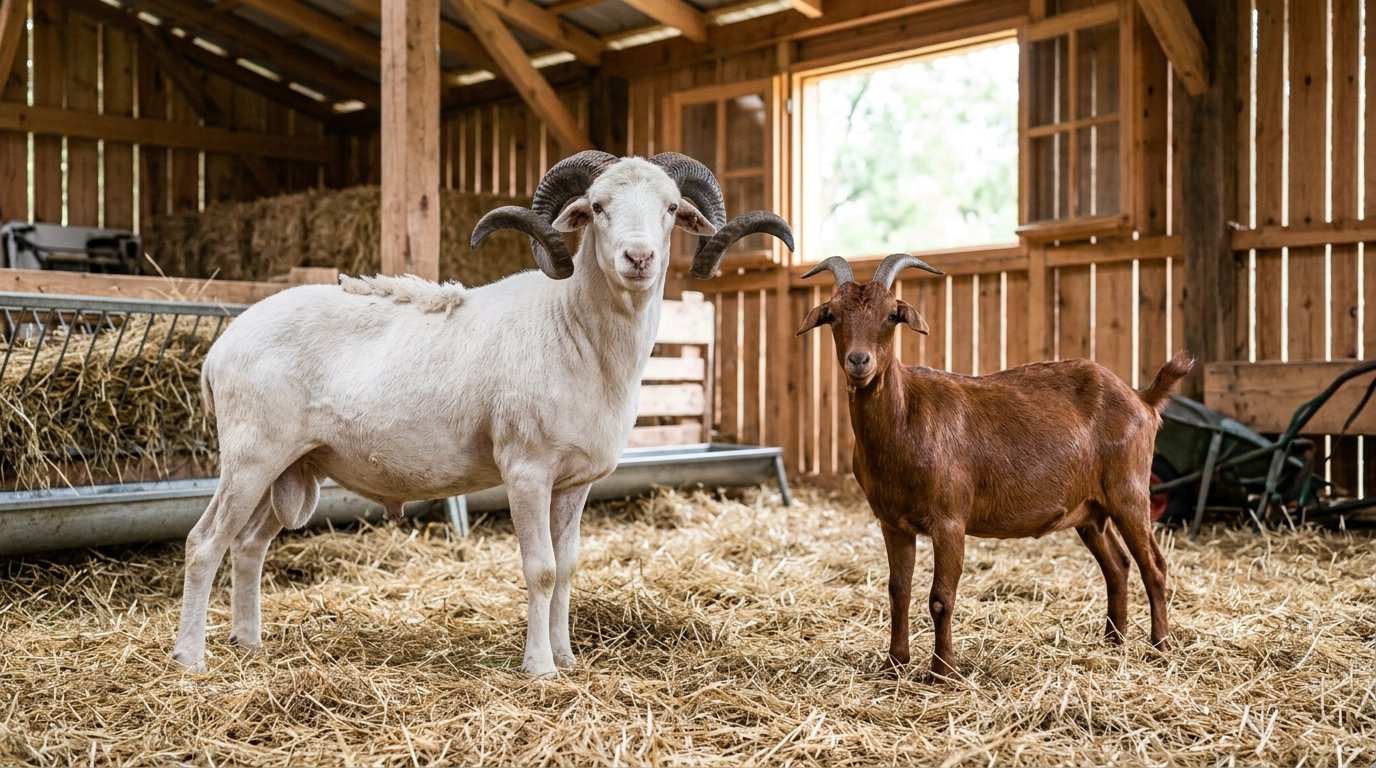
Goats (West African Dwarf, Maradi Red) and Sheep (Balami, Uda, Yankasa rams).
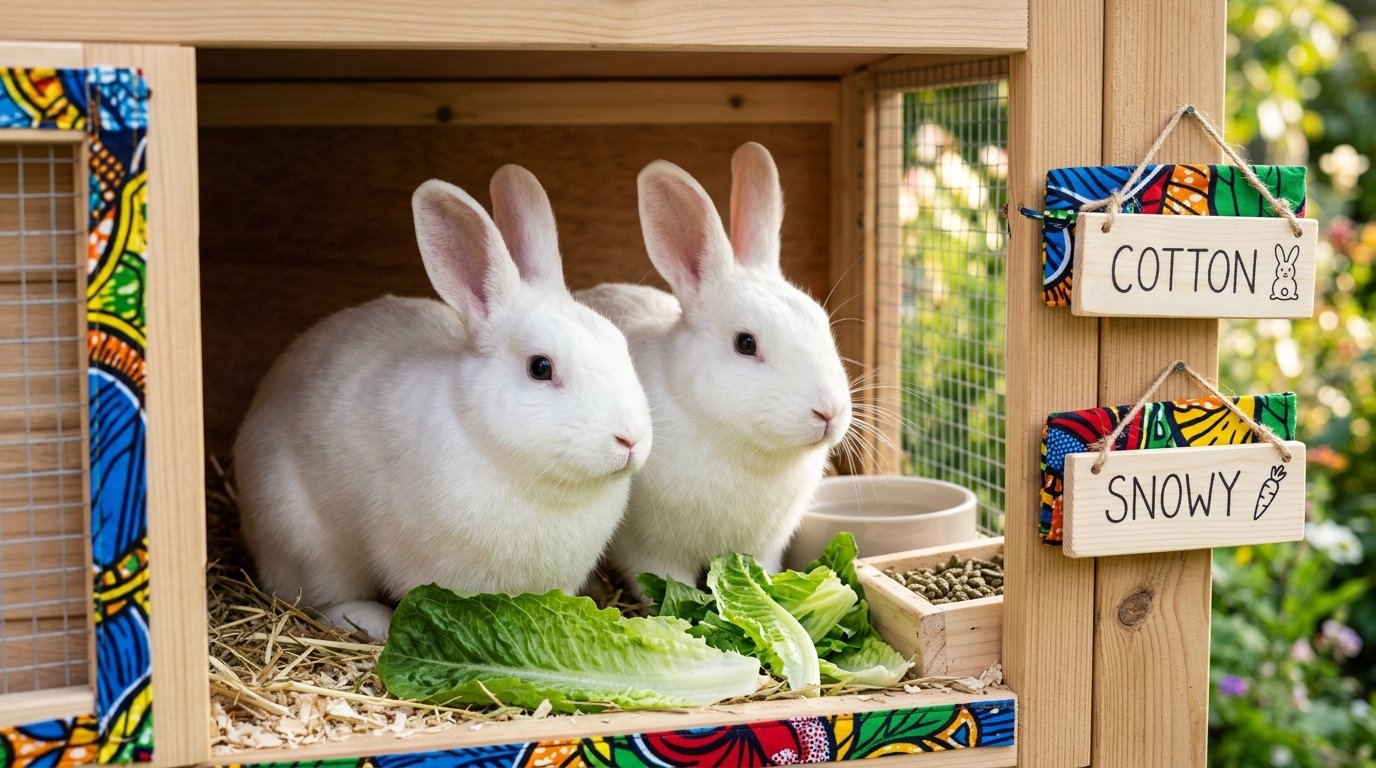
Commercial rabbits, ornamental peacocks, and domesticated guinea pigs.
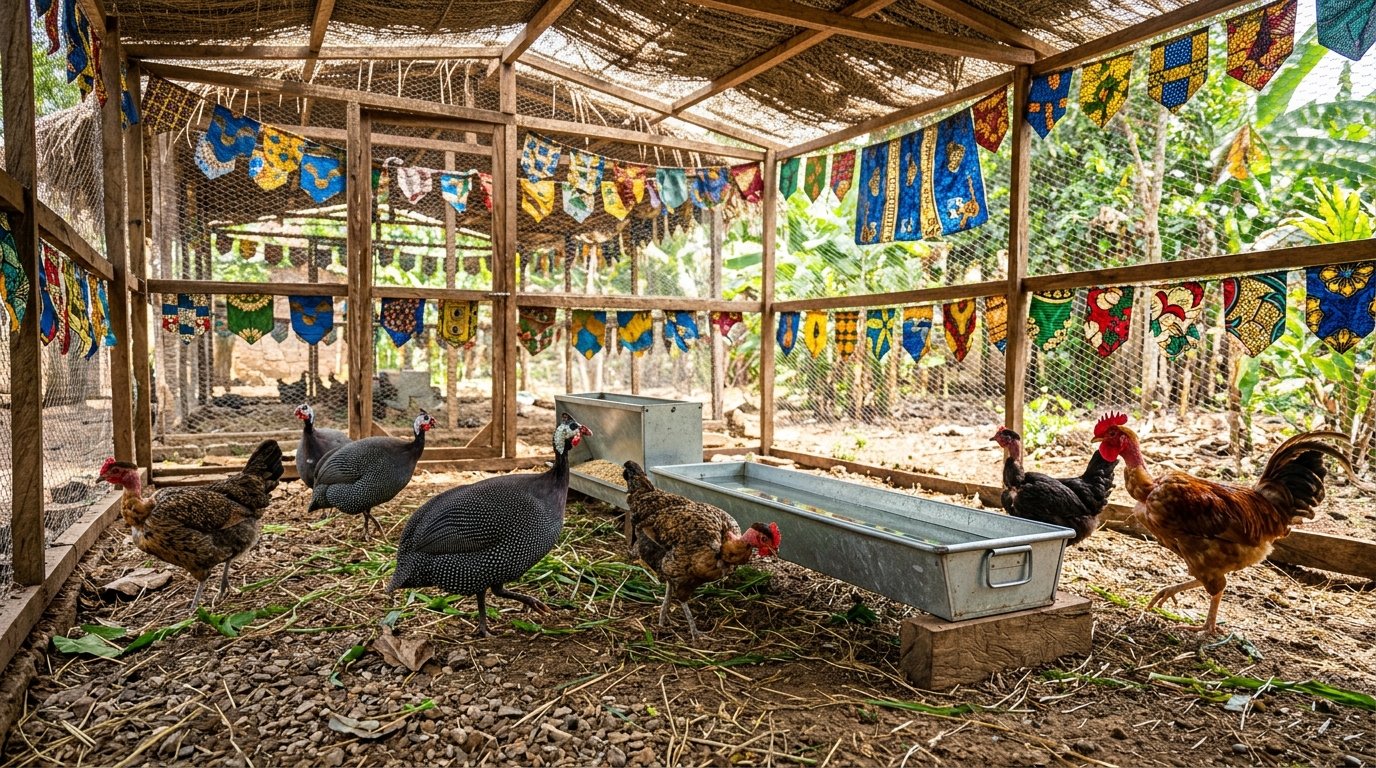
Indigenous ecotypes, heritage turkeys, domestic geese, and helmeted guinea fowl.
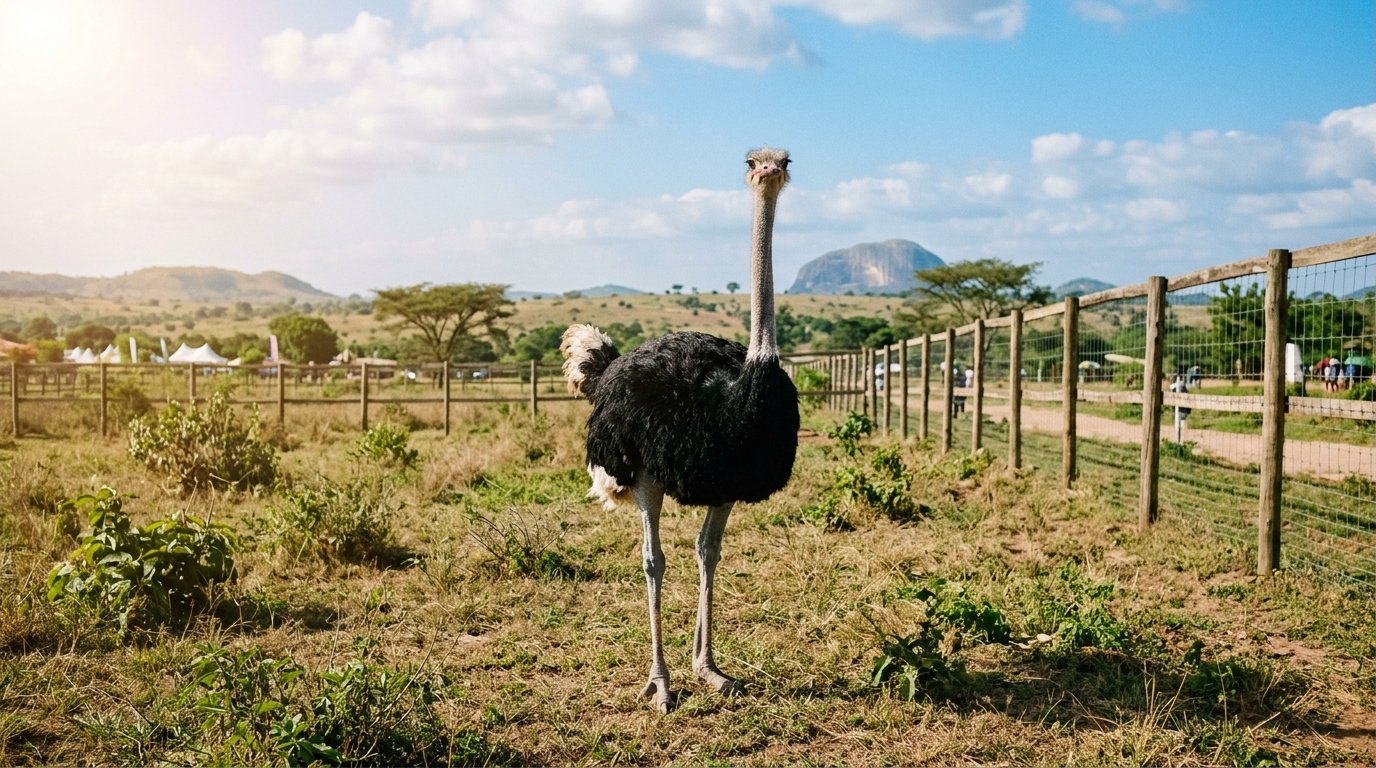
Sahelian ostriches and vetted regional conservation displays with certified wild ecotypes.
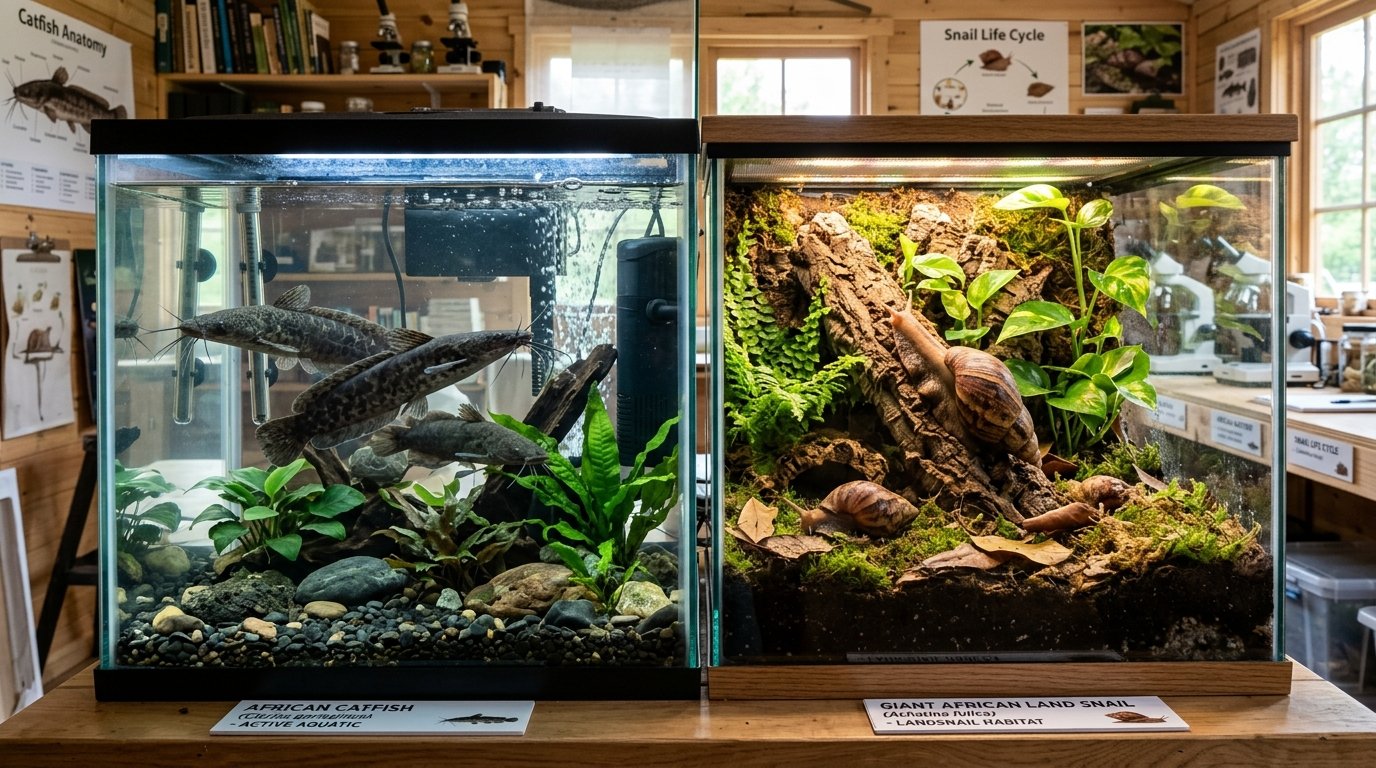
Heliculture (Giant African snails) and aquaculture (African catfish & tilapia displays).
Ancestral textile artistry and livestock styling across Nigeria's four primary corridors.
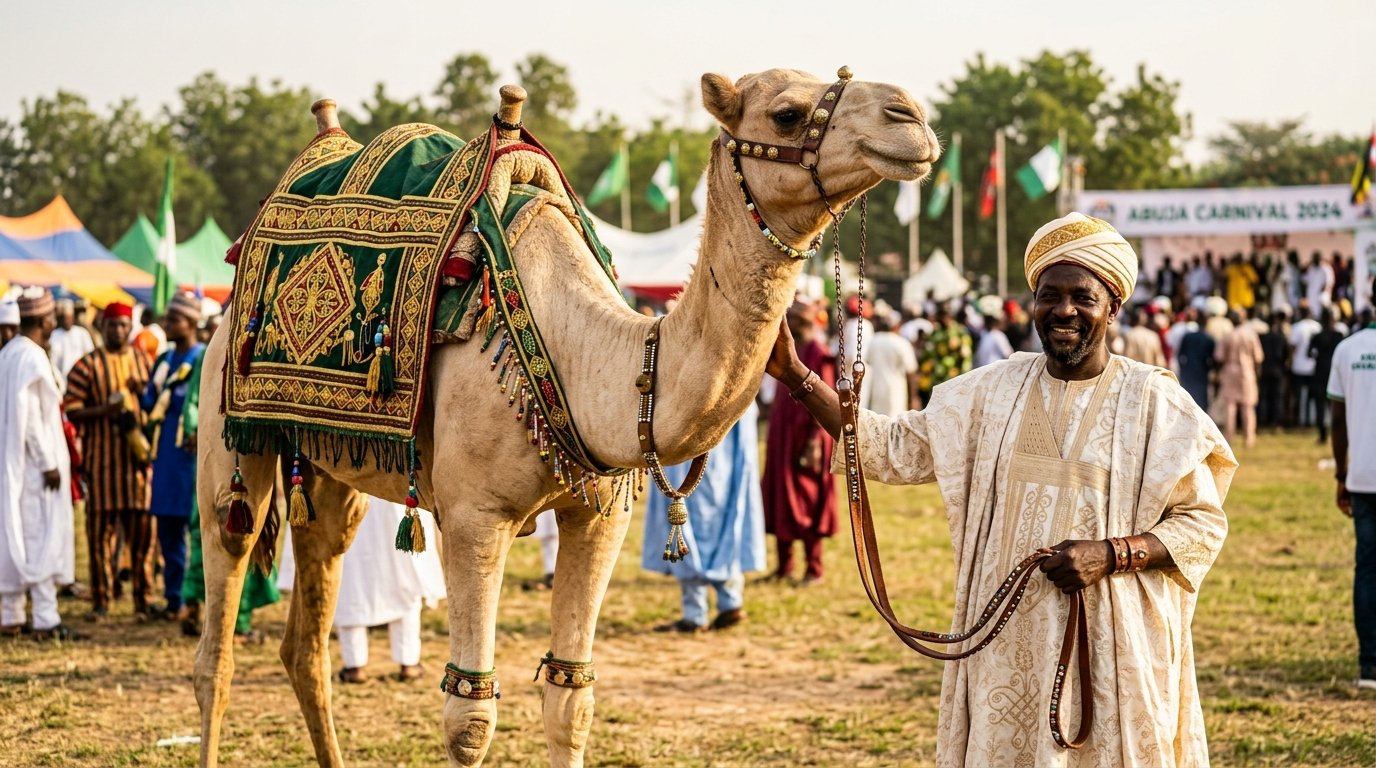
Dromedary camels and royal Durbar steeds styled with Northern hand-woven textiles, indigo dye fabrics, leather-tooled ceremonial saddle pads, and brass tassels.
Handler Attire
Flowing Babban Riga robes, layered traditional turbans, and handmade leather riding boots.
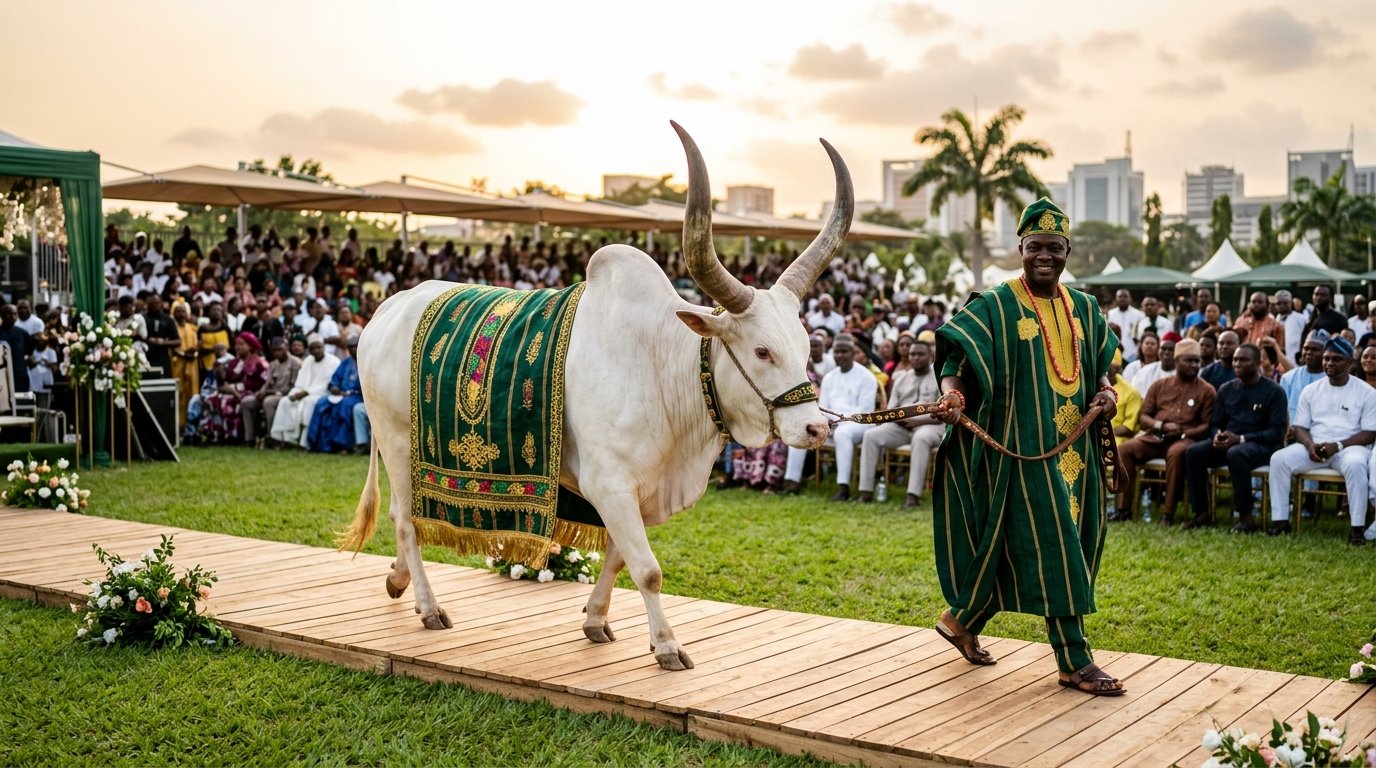
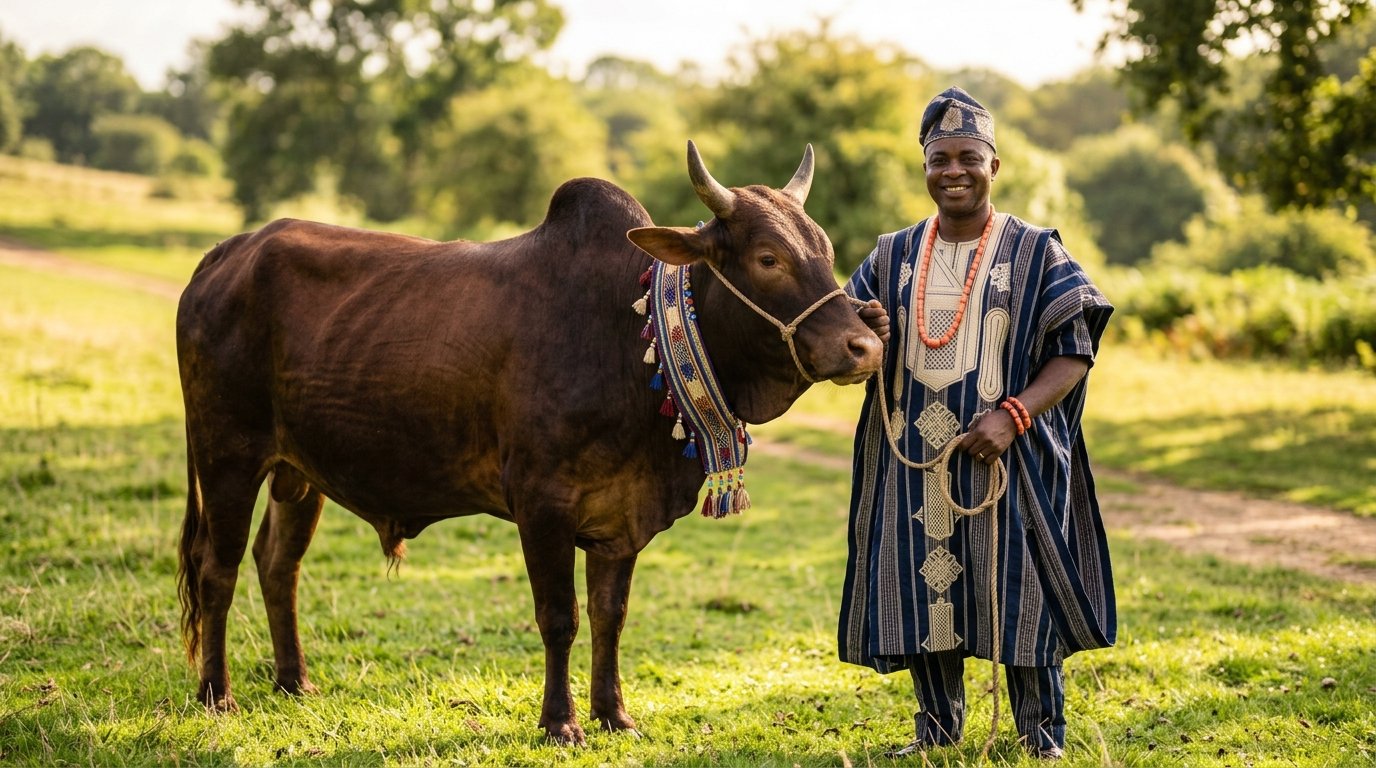
Prized Bunaji cattle and horses draped in hand-loomed Aso-Oke back blankets (Alaari, Sanyan, Etu), accented with cowrie-shell beadwork and equestrian tassels.
Handler Attire
Bespoke Aso-Oke Agbada with matching Fila cap and ceremonial horse-tail fly-whisk.
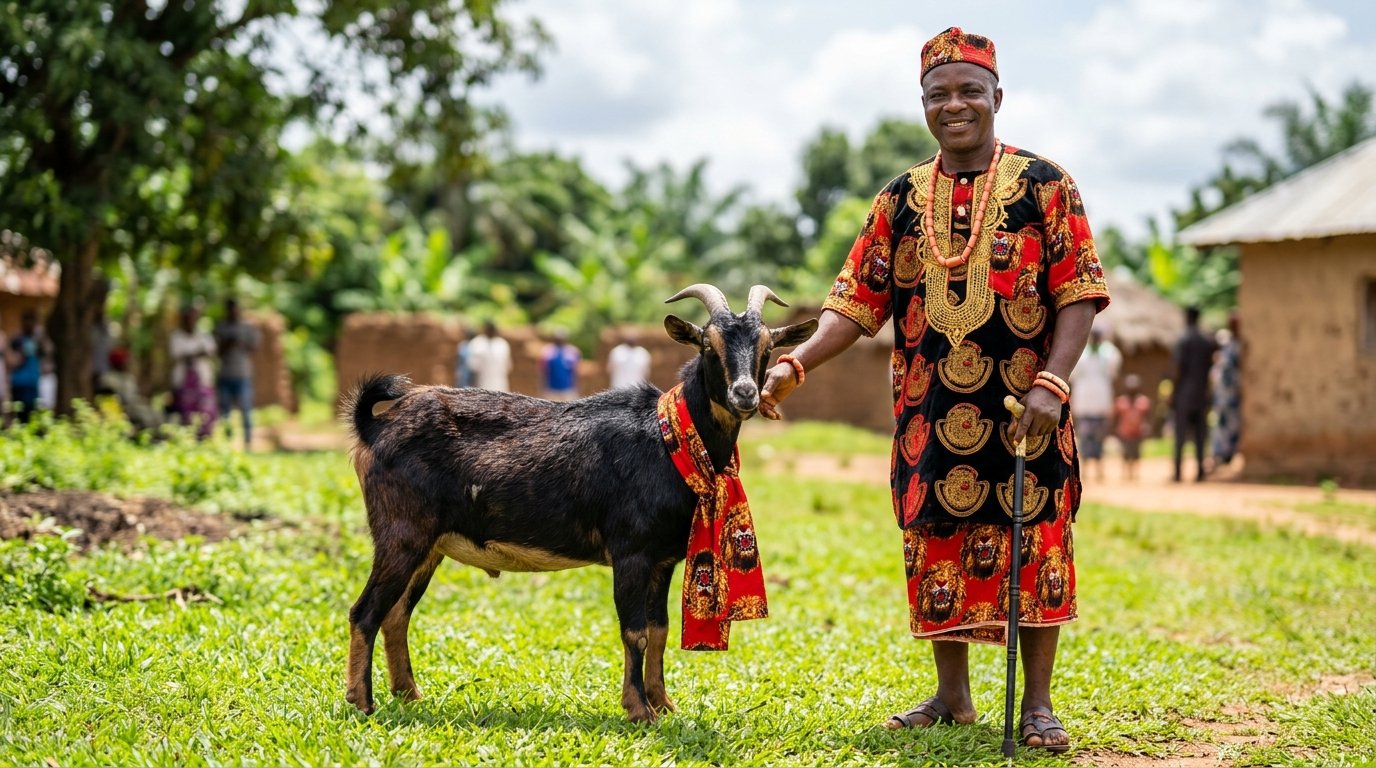
Native goats and championship rams presented with geometric Akwete woven chest collars, symbolic Isiagu lion-crest banners, and braided natural raffia garlands.
Handler Attire
Traditional Isiagu tunic, red Okpu Agu cap, and ceremonial hand-woven fan.
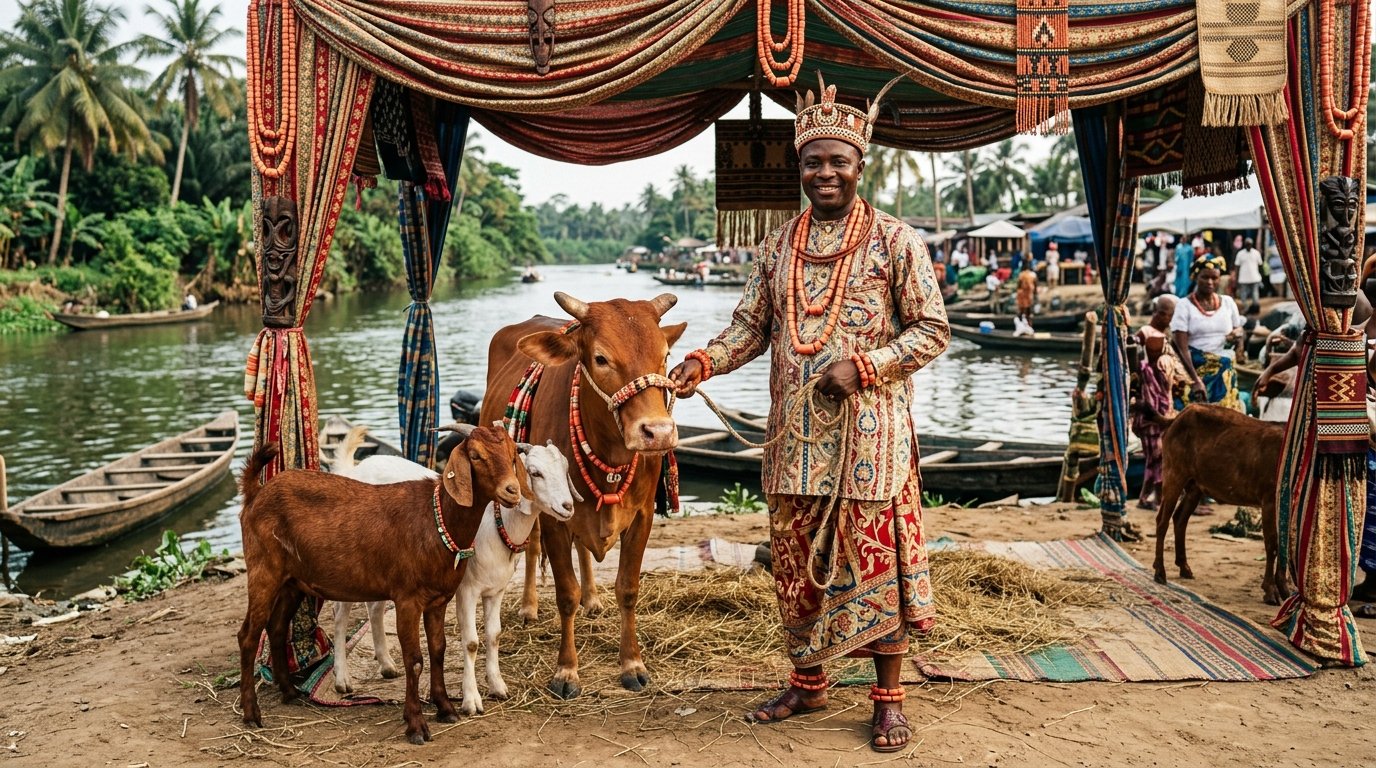
Specialized riverine livestock and snail terrariums styled with vibrant George wrapper textiles, multi-strand coral bead ropes, and mangrove timber staging.
Handler Attire
Traditional Etibo shirt, flowing George wrapper, coral necklace, and walking stick.
“Different cultures. Different traditions. One Nigeria.”
A high-visibility national runway pairing livestock conformation with ethical, ancestral textile styling.
Ethical, non-restrictive cultural embellishment
Traditional quilted saddle cloths, braided mane ribbons, soft leather pommels, and handlers in matching regional robes.
Aso-Oke back drapes, hand-braided organic cotton neck garlands, and polished horn cuffs with zero adhesive or chemical treatment.
Loose textile neckbands, patterned cotton halters, and natural raffia side bands tailored for complete respiratory freedom.
Decorated Ankara hutches, bamboo aviary floats, and botanical shaded perches — strictly nothing tied or worn directly on birds or rabbits.
What visitors experience on the ceremonial runway
Bilingual commentary detailing breed genetics, regional textile provenance, and handler bloodlines.
Kano Kakaki trumpeters, Yoruba talking drummers, and Eastern Ogene percussionists accompanying entry classes.
Interactive judge explanations on conformation scorecards, milk/meat yields, and heat-tolerance traits.
Specially staged, barrier-protected photo platforms allowing families and photographers close-up access.
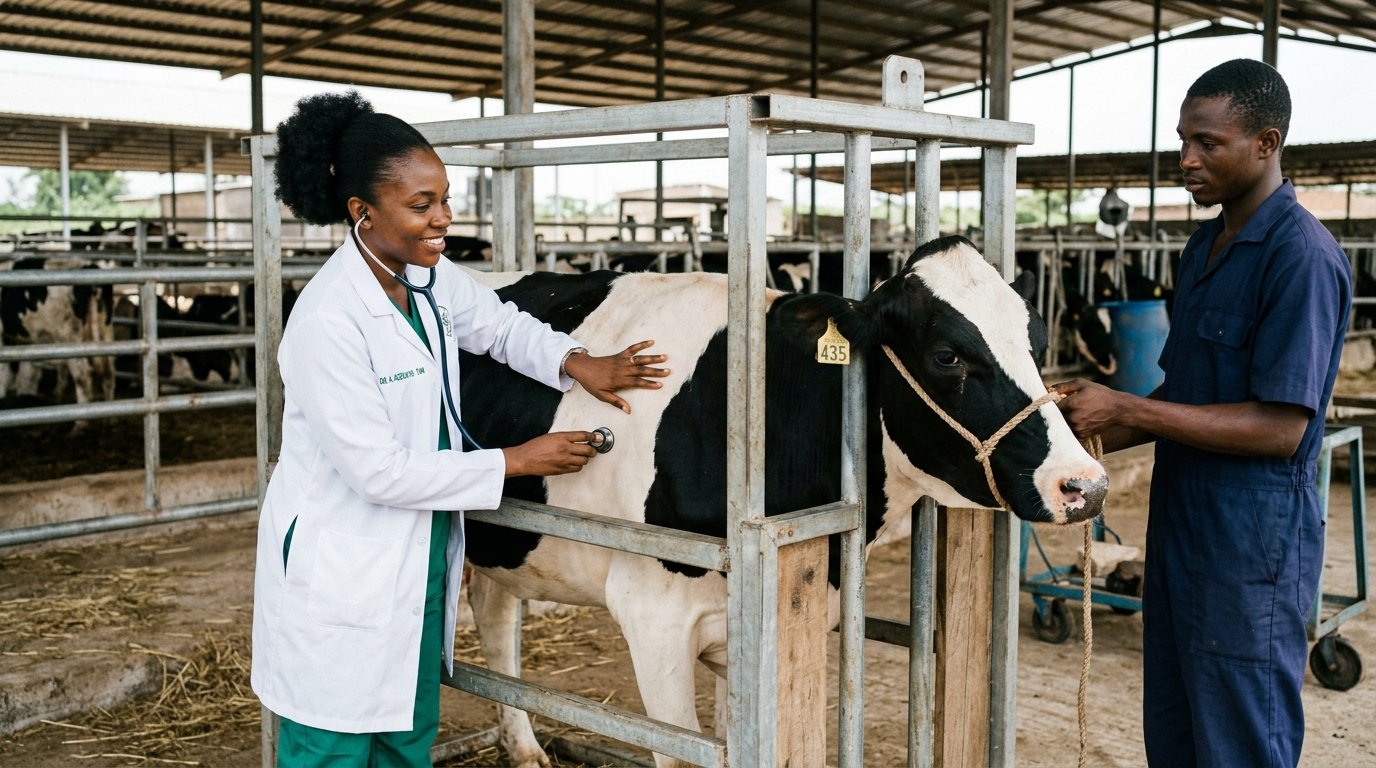
Our cardinal welfare pledge. Every presentation, housing stall, and runway lap strictly adheres to certified veterinary standards.
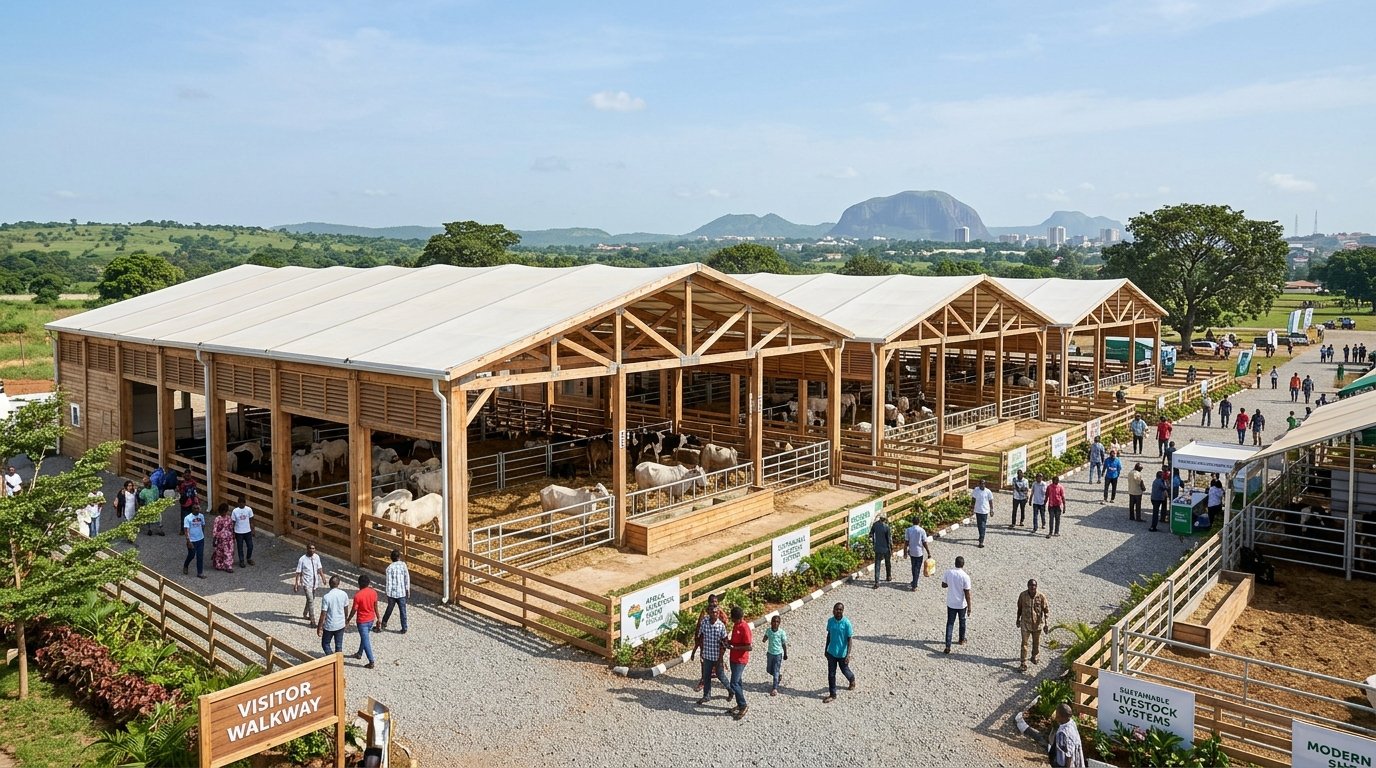
Purpose-built temporary habitat at Abuja National Grounds
High-roof pavilions with natural thatch membranes providing a 5°C ambient temperature reduction.
Automated freshwater stations and electrolyte hydration docks monitored hourly by site stewards.
Direct, non-crowded medical transit routes connecting all stables to the on-site clinic.
Continuous bio-compost bagging, deodorizing wood shavings, and zero-runoff drainage systems.
Mandatory operational standards enforced system-wide
Visitor Learning Pathway
Filter by geographic origin and production purpose. Click any entry to inspect its Animal Shed Signage Board.
Lyre-shaped horns, pure white coat providing high solar reflectance, heat tolerance, and endemic disease resistance.
Deep, fleshy conformation, short horns or polled, calm disposition, and rapid weight conversion on savanna pastures.
Single-hump desert conformation, broad padded footpads for desert mobility, exceptional water conservation physiology.
Compact hardy stature (30–50cm), high prolificacy with frequent twin births, and natural trypanotolerance against tsetse flies.
Convex Roman nose, pure white fleece, tall frame exceeding 100kg live weight, and magnificent spiraled horn conformation.
Hardy dual-purpose scavenger ecotype, lustrous plumage, alert temperament, and strong natural disease resistance.
Massive helical shell, high protein conversion efficiency, odorless husbandry, thriving in shaded humid micro-biomes.
Largest living flightless avian, swift terrestrial speeds up to 70 km/h, and dense climate-resistant feather coverage.
Lyre-shaped horns, pure white coat providing high solar reflectance, heat tolerance, and endemic disease resistance.
Represents approximately 37% of Nigeria's national cattle herd. Major domestic producer of fresh milk, beef, and artisanal leather.
Digital Studbook ID
Scan at stall for pedigree registry
A glimpse of the pageantry, pride, and national heritage on display.
Complimentary public admission for families, agribusiness investors, students, and culture enthusiasts at Abuja National Grounds, November 30 – December 2, 2026.